July 17, 2026
In recent years, aftermarket audio systems have emerged as a defining feature enhancing the allure and value of vehicles in the automotive market. With a rise in demand for superior sound quality and personalized audio experiences, more consumers are turning to local car audio shops for professional solutions.
These systems go beyond standard factory options, allowing for significant customization and improved audio quality that appeals to a broad range of vehicle owners. The aftermarket audio industry has burgeoned into a multi-billion-dollar sector, dramatically shaping how car resale value is perceived. This article explores the evolution of aftermarket audio and its profound influence on vehicle valuation in the resale market.
The Evolution of Aftermarket Audio Systems
Historical Background of Car Audio
Car audio systems have a storied history, evolving significantly from their humble origins. Initially, vehicle audio was a straightforward affair, focusing merely on basic radio functions.
As technology progressed, consumers began to crave more from their in-car entertainment. The introduction of cassette players in the 1970s and later CD players in the 1980s marked a revolution in car audio, setting the stage for the advanced systems we see at local car audio shops today.
The Shift from Factory Settings to Customized Solutions
The shift from factory-installed audio systems to bespoke aftermarket solutions marks a significant trend in consumer behavior. Factory systems typically offer a ‘one-size-fits-all’ model, which often falls short of providing the level of auditory experience consumers desire.
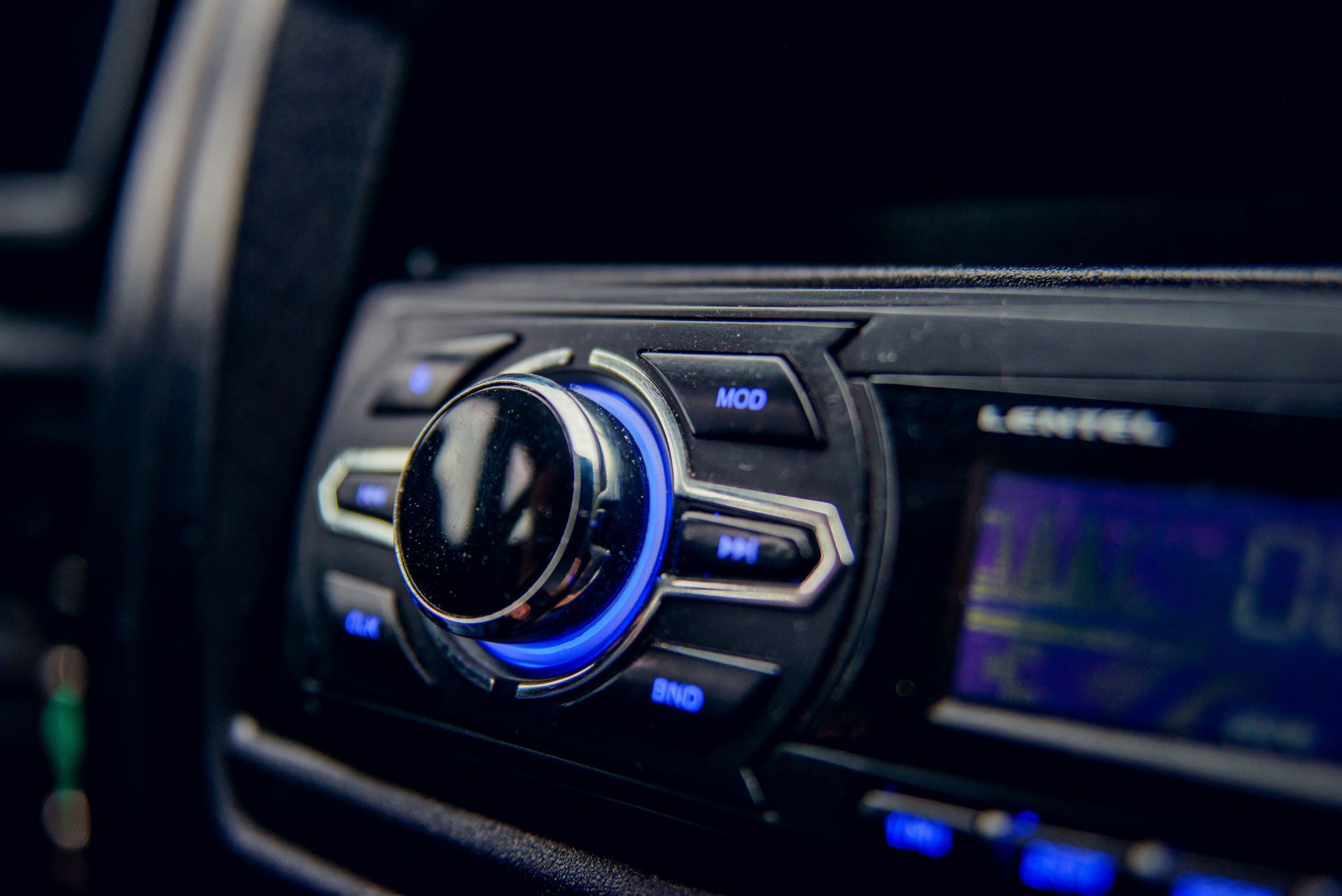
Aftermarket options allow for customization of speakers, amplifiers, and head units, offering enhancements that far exceed standard options. This customization trend is fueled by technological advancements and an increased desire for individuality, leading many drivers to seek out local car audio shops for personalized upgrades.
Technological Advancements in Audio Equipment
Technological innovations in audio equipment have significantly contributed to the popularity of aftermarket systems. Modern technologies such as digital signal processors and high-definition audio have elevated the listening experience in vehicles.
These advancements allow for precise sound quality adjustment, ensuring optimal performance regardless of vehicle size or design. Companies continue to innovate to meet consumer demand for compact equipment that offers robust acoustics without compromising space.
Consumer Demand for High-Quality Sound
Consumer demand for high-quality sound is a key driver for the growth of aftermarket audio systems. According to 360ResearchReports, 52 % of vehicle buyers in 2024 said audio system quality was a key purchase factor.
A vast majority of consumers find standard factory setups inadequate for digital-age media consumption. Manufacturers of aftermarket systems continue to tap into this demand by introducing sophisticated audio solutions that cater to audiophiles and casual listeners alike.
Factors Driving Aftermarket Audio Adoption
Improvement in Acoustic Quality
The quest for improved acoustic quality is a predominant driver of aftermarket audio system adoption. Consumers often find factory-installed systems unable to deliver the clarity and bass depth offered by alternatives found at local car audio shops.
Modern systems utilize cutting-edge materials and designs, enhancing clarity, vocal reproduction, and low-frequency performance. A superior auditory experience significantly enhances the joy of driving or being a passenger in the vehicle.
Affordable Customization Options
Affordability coupled with customization catapults aftermarket systems beyond what factory models offer. While comprehensive sound system upgrades can be expensive, incremental improvements offer a cost-effective entry point for consumers.
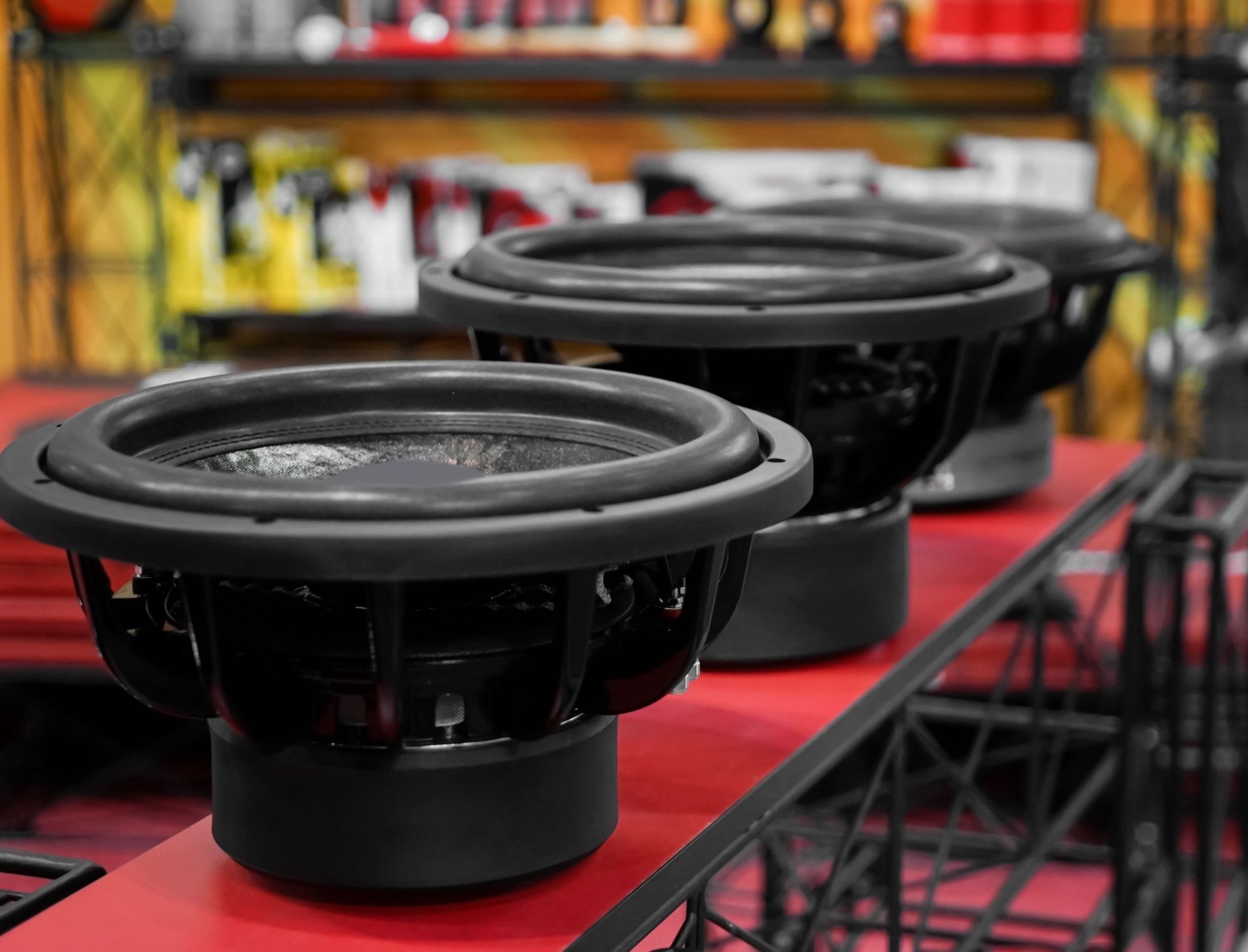
Options such as upgraded speakers or the addition of subwoofers can be implemented in phases, aligning with personal budgets. Local car audio shops provide flexibility in selection and installation, allowing consumers to mix and match components to suit their specific needs.
Increased Connectivity Features
Modern connectivity features are increasingly making aftermarket audio systems desirable. With technological advancements, aftermarket units often offer superior connectivity options like Bluetooth, Wi-Fi, and Android Auto, which might not be available in older factory units.
Vehicle owners seek seamless integration with their devices for a more connected driving experience. Voice-controlled AI technologies that integrate with these systems further elevate the convenience and safety of hands-free operation.
Enhanced Aesthetic Appeal
Aftermarket audio systems offer more than enhanced sound quality; they provide aesthetic appeal, elevating the interior look of a vehicle. Manufacturers understand that visual integration with a car's interior is crucial for consumer satisfaction.
Customized head units often feature sleek touchscreens and stylish finishes that align with the latest design trends. As a result, these systems help capture the essence of the vehicle owner's individuality through design.
How Aftermarket Audio Affects Vehicle Resale Value
Perceived Value vs. Actual Value
The impact of aftermarket audio on vehicle resale value often hinges on the difference between perceived and actual value. While many sellers believe that enhancements automatically lead to higher resale prices, the reality is nuanced.
Sound systems may increase appeal but not always translate to recouping the initial investment in full. However, a high-quality system, especially a brand name upgrade from reputable local car audio shops, can positively affect the perceived value from a potential buyer's perspective.
Impact on Different Types of Vehicles
The influence of aftermarket audio systems on resale value varies significantly across different vehicle types. Luxury vehicles with premium aftermarket audio systems are more likely to maintain higher resale values because the buyers cater to markets that appreciate high-quality components.
On the other hand, budget or economy vehicles often see lesser resale value increments despite significant sound system investments. The negative perception towards non-OEM modifications in certain communities can also deter potential buyers.
Market Trends and Buyer Preferences
The trends and preferences in the market greatly dictate the potential resale impact of aftermarket audio installations. Recent years have shown an increase in buyer demand for technology-rich vehicles, which aligns with premium audio expectations.
The younger demographic often prioritizes features such as audio fidelity, connectivity options, and stylish interfaces, positively influencing resale outcomes of modified systems. Nonetheless, some traditional buyers prioritize authenticity, demonstrating mixed reception across varying consumer segments.
Challenges and Risks of Aftermarket Audio Installations
Potential Damage to Vehicle Electrical Systems
A significant challenge of installing aftermarket audio systems lies in the potential for damage to a vehicle's electrical systems. Incorrect installation can cause short circuits, leading to costly repairs or replacements.
As automotive technology advances, vehicle electrical systems have become more intricate and sensitive to unauthorized modifications. Consumers need to ensure professional, experienced installation at trusted local car audio shops to minimize such risks.
Warranty Concerns and Manufacturer Limitations
Manufacturer warranties are an important consideration for potential aftermarket audio system adopters. Many vehicle manufacturers warn that unauthorized modifications, such as aftermarket audio installations, can void warranties.
This risk can deter consumers who are cautious about preserving their vehicle's warranty status. Yet, some dealerships offer approved aftermarket upgrades, offering a middle path for audio enthusiasts.
Compatibility Issues with Vehicle Models
Compatibility challenges are not uncommon when fitting aftermarket audio systems into modern vehicles. Vehicle architecture and interface systems vary, meaning not all audio enhancements will seamlessly integrate without extensive modifications.
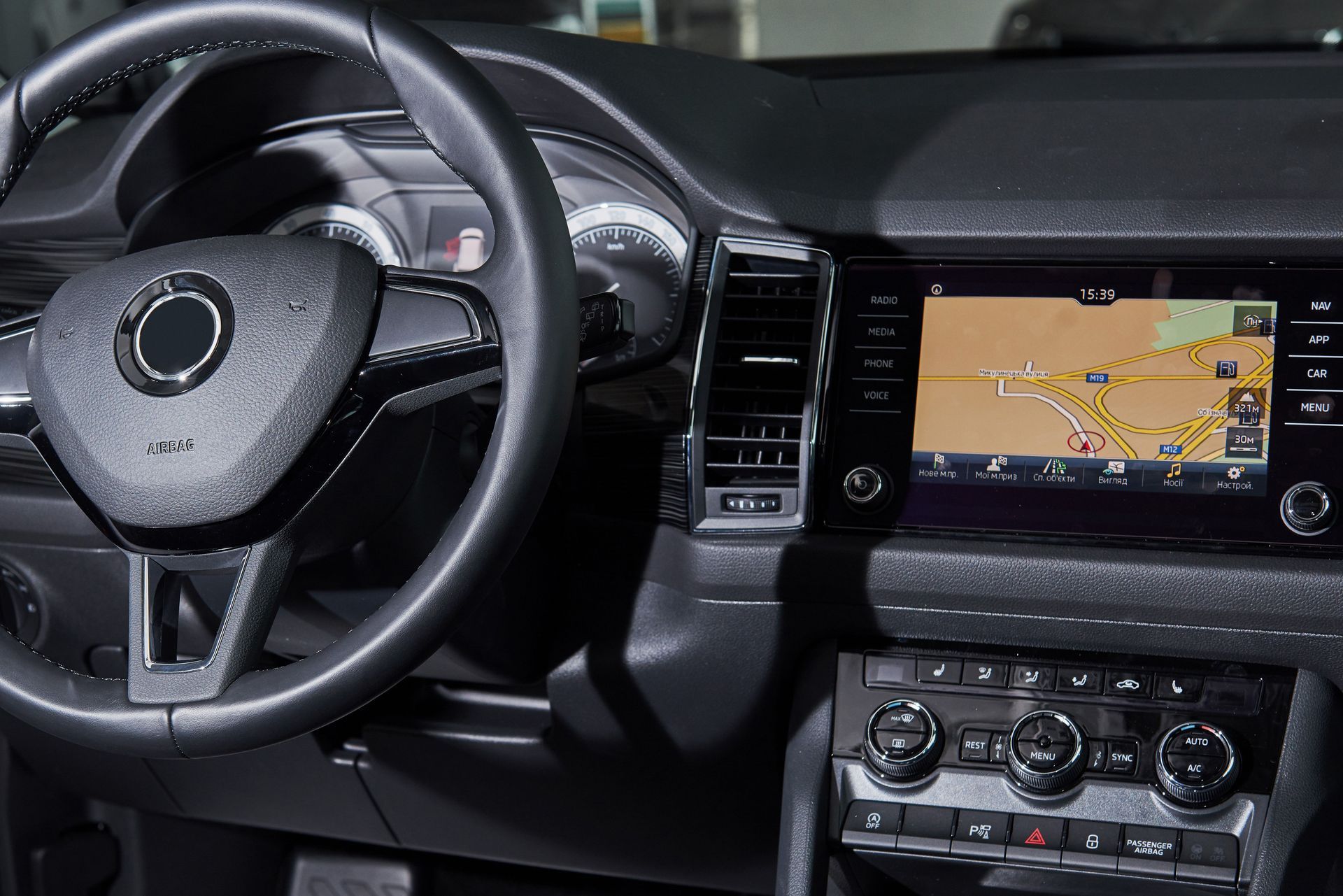
Upgrades might interfere with existing systems like backup cameras or navigation, diminishing overall vehicle functionality. To mitigate these issues, buyers should engage experienced professionals who are familiar with their vehicle’s make and model.
In conclusion, the rise of aftermarket audio systems has undeniably transformed the perception of vehicle value within the automotive industry. Compelling factors such as enhanced audio quality, personalization options, and technological advancements continue driving the aftermarket sector forward.
As consumer demand evolves, both manufacturers and buyers must adapt to these trends for a harmonious resonance between innovation and market viability. Whether seeking an upgrade for a luxury sedan or a daily commuter, consulting with experts at local car audio shops ensures the perfect balance of performance and long-term value. For more information, contact inMobile Intergrated Solutions.