November 12, 2026
A good car audio system should make music sound clear and balanced. Yet road noise, rattling panels, engine sounds, and traffic can distract from even quality speakers and amplifiers. Sound dampening reduces vibration and limits some unwanted noise entering the cabin, helping existing equipment sound more refined.
Sound treatment is worth evaluating alongside speakers, subwoofers, and head units. Car audio services can identify noise sources and recommend materials suited to the vehicle, creating a quieter cabin and helping existing equipment perform better. The goal is not simply to make the system louder. It is to make the music easier to enjoy at a comfortable volume, whether the driver listens to podcasts, classical recordings, rock, or bass-heavy playlists.
What Is Sound Dampening and Why Is It Important for Car Audio?
Sound dampening treats parts of a vehicle to reduce vibration, resonance, and unwanted sound transmission. Large metal surfaces, including doors, floors, roof panels, and trunk areas, can vibrate from road impacts, engine movement, or speaker bass. The result may be buzzing, rattling, or a hollow quality that competes with music.
Damping materials are applied to sheet metal and other surfaces to control movement. Many car audio services include this treatment as part of a system installation. They do not make a vehicle completely silent; they reduce specific vibrations and create a more controlled listening environment. It is useful to understand the distinction because sound can travel through several paths. A mat bonded to a vibrating door panel addresses resonance, while a barrier layer is intended to impede airborne noise. Neither should be expected to eliminate every sound from the road.
Speakers perform within the space around them. A resonating door panel adds unwanted noise, while road and wind sounds mask musical details. Treating problem areas helps a system deliver cleaner sound at everyday levels. Installers in the car audio services field may recommend treatment before upgraded speakers are installed.
How Does Sound Dampening Affect Sound Quality and Clarity?
The most noticeable improvement is often fewer rattles and less resonance. Speaker bass can vibrate door metal, trim, and interior panels, creating buzzing or distortion at higher volumes. Damping the affected surfaces helps control that movement so the speaker’s output comes through with less interference.
A quieter cabin makes music easier to hear. This is one reason drivers ask car audio services about sound treatment. Tire, wind, and engine noise can mask vocals, cymbals, guitar details, and other elements. With less outside noise, these details become more apparent without raising the volume as much. The benefit is not limited to expensive systems. Factory speakers can also sound more satisfying when rattles and competing noise are reduced. Drivers may notice improved balance because they no longer need to compensate for road noise by increasing bass or treble settings.
Bass can benefit too. Damping does not create more bass or amplifier power, but controlling panel vibration can make low frequencies sound tighter. According to Car Audio Now, foam sheets and rubber mats can reduce sound transmission by 60%, contributing to clearer audio and deeper bass. Results vary by material, installation, vehicle, and noise source, so this is not a guarantee.
What Are the Different Types of Sound Dampening Materials Available?
Sound treatment products serve different purposes. Butyl rubber damping mats are commonly applied to doors, floors, and trunk lids. They add mass and reduce panel vibration; many have adhesive backing and a foil surface.
Installers offering car audio services may combine matting with foam. Closed-cell foam can separate trim pieces, reduce squeaks, and provide some insulation. It may be placed behind door cards or around interior components, as long as it does not obstruct moving parts, drainage, or safety equipment. Acoustic foam is not a substitute for vibration-control matting. Some products are also designed to absorb sound within a cavity, while others isolate two surfaces to prevent them from rubbing together. Checking the product’s intended use helps avoid paying for a material that cannot solve the particular issue.
Spray-on products coat irregular or hard-to-reach surfaces, but preparation, curing, and coverage matter. Mass-loaded vinyl and similar barriers block more airborne noise and may be used in floors or other interior areas. They add weight and require planning.
No single material solves every noise problem. Car audio services can distinguish panel vibration from airborne noise and trim rattles before recommending a suitable combination.
How Can Car Audio Services Assist in Proper Sound Dampening Installation?
Effective installation starts by identifying the noise source. A car audio services technician can inspect doors, trunk, floor, and trim to locate vibration and noise paths. Treating the wrong area adds cost and weight without meaningful improvement.
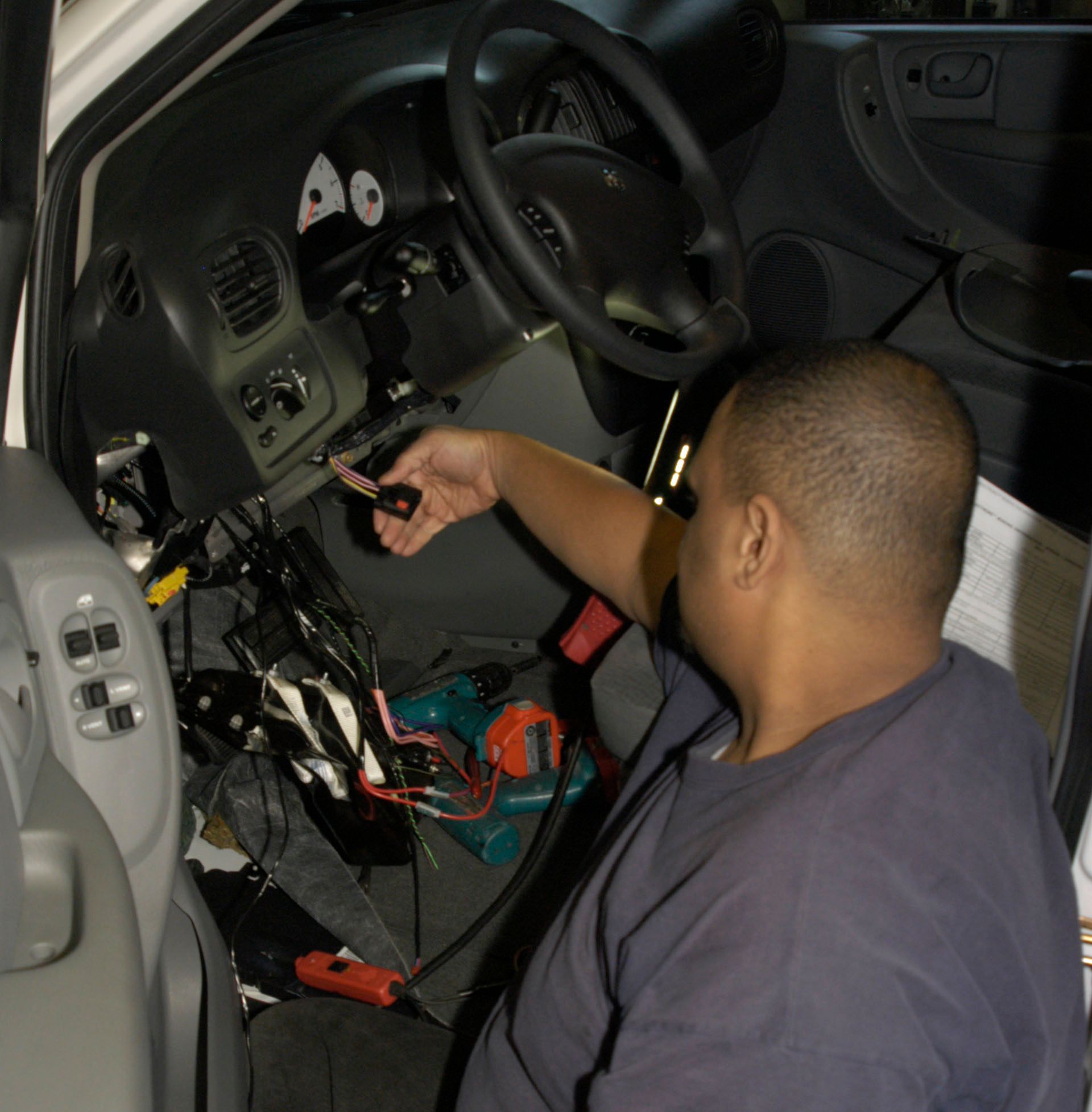
Professional car audio services include careful preparation. Installers may need to remove panels or carpeting, clean surfaces, and cut materials to fit. Damping sheets need proper contact with the panel. Coverage should be deliberate, while preserving drain openings, wiring, airbags, access points, and moving window mechanisms. A car audio services technician should also avoid covering service openings or attaching material to components that must remain accessible. After reassembly, panels should sit securely and windows, locks, speakers, and other controls should operate normally. These details are part of a quality installation, not optional finishing touches.
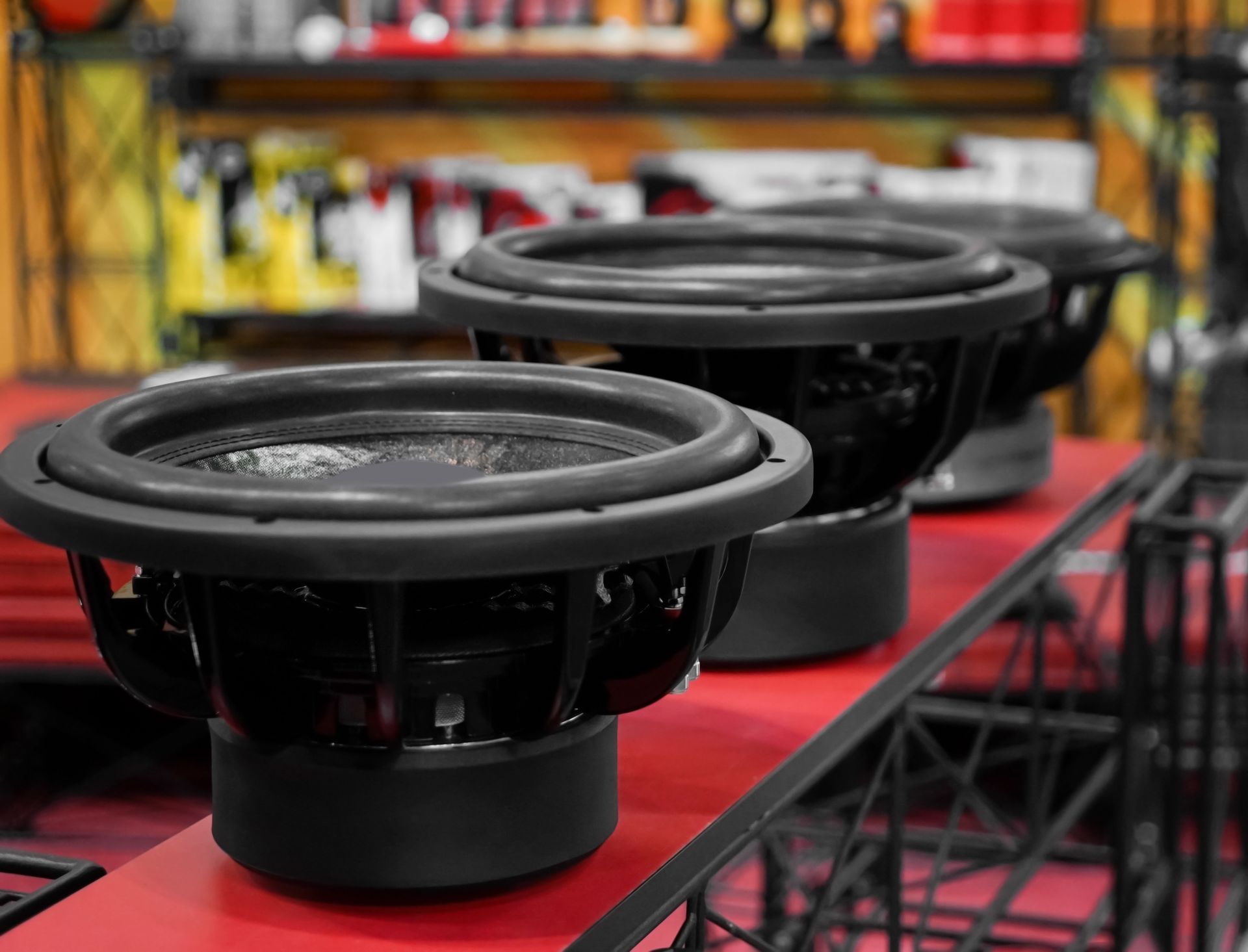
Car audio services can coordinate treatment with a system upgrade. Damping door panels may create a more stable environment for aftermarket speakers, while trunk treatment can reduce subwoofer-related rattles. A specialist in car audio services will set realistic expectations for the vehicle and budget. They can also help determine whether the next improvement should be sound treatment, speaker replacement, amplifier tuning, or fixing a loose trim component. This order matters: installing more powerful equipment will not necessarily solve a vibration that comes from an untreated panel.
DIY installation is possible, but mistakes can cause loose panels, blocked drains, damaged clips, or misplaced material. Professional work is worthwhile when trim, electronics, or the audio system is complex.
What Are the Costs Involved in Sound Dampening Your Vehicle?
Car audio services may quote a project by area or as a complete package. Cost depends on vehicle size, treatment areas, materials, and installation. Treating front doors costs less than addressing doors, floor, roof, and trunk. Material quality and coverage also affect the price.
Targeted treatment is a sensible start when one rattle or speaker vibration is the main concern. A quieter cabin may require broader coverage, especially when tire and road noise are significant. Extensive treatment adds weight and may not suit every vehicle.
Before choosing
car audio services, ask which areas and products are included, how much coverage is planned, and whether trim removal and reassembly are part of the estimate. Car audio services should explain the reasoning instead of automatically recommending maximum coverage. Prioritize problems: eliminating a door rattle may be more valuable than treating an area that contributes little.
Sound treatment is an investment in the listening environment, not a replacement for quality components. A balanced plan can improve comfort and help equipment sound its best.
Sound dampening improves a vehicle’s audio experience by controlling vibration, reducing rattles, and limiting unwanted noise. The right materials depend on the problem areas. Professional car audio services can assess needs, install materials safely, and prioritize improvements within a budget. Music can sound clearer, bass more controlled, and everyday driving more enjoyable. If you're looking to upgrade your vehicle's audio, contact nMobile Integrated Solutions today!